A Question of Character
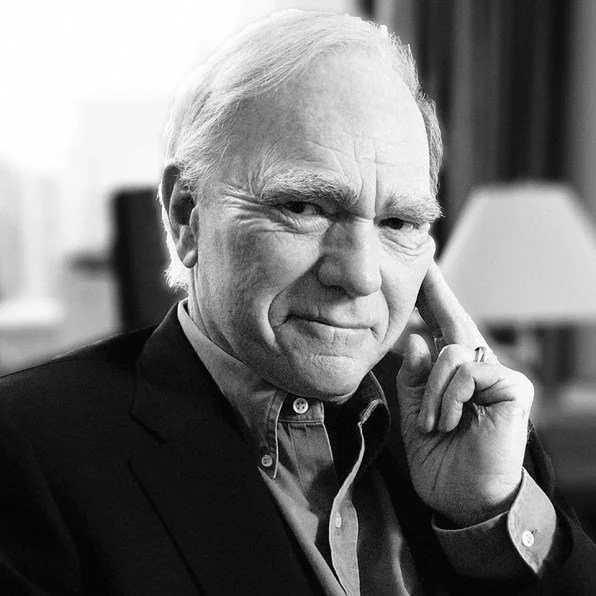
"True character is revealed in the choices a human being makes under pressure — the greater the pressure, the deeper the revelation, the truer the choice to the character's essential nature." Robert McKee
During my years as a faculty member at Carleton College, I occasionally offered a course on “Religious and Moral Issues of the Holocaust.” It always began with a unit on the main actors in these historical events: perpetrators, victims/resisters, bystanders and rescuers. We read selections by psychologists and historians attempting to understand the motivations of the people in each of these roles, how they understood themselves, and what we can learn from their example.
What enabled some people (the majority) to ignore what was happening around them, turn away, and disengage from the terror being perpetrated on their neighbors? What motivated others to care for those who were vulnerable, giving them shelter, sometimes at the risk of their own lives?
And, more generally, what does it say about human nature that we all have the capacity to act in both of these ways? How might we overcome our urge to turn inward and shirk our moral responsibilities, and how might we maximize our tendencies toward compassion and even altruism?
I did not shy away from driving that point home with the students: all of us, especially in certain circumstances, are faced with moral choices about how to respond to situations of oppression and injustice. How we do so reveals something essential about our character.
Who are we?
What do we stand for?
How willing are we to take risks to defend our core values?
Circumstances call us to respond to these questions, and those responses are revealed in our actions far more than in our words. We display our character in the way we live our lives, in the choices we make or fail to make. Character is always embodied, and sometimes it is demonstrated in public behavior.
Most of the time, these questions of character arise in less public and impactful ways. Our moral lives unfold largely in the private sphere. It is there that our defining moral challenges arise, in our relationships with those closest to us—family members, friends, and co-workers. In those contexts, our moral failings (or virtues) will be evident to those we interact with and to the relatively small circle of people who know us.
But there are times of moral crisis in the public sphere that call for a response from us. The rise of authoritarians, right-wing nationalists and white supremacists to the highest levels of our government is such a time.
To be clear: I am not saying that America today is the same as, or even approaches, the horrors of Europe in the 1930’s. But there is at least this point of similarity: once again there are people more than willing to be bystanders and even collaborators. So, too, there are those willing to risk arrest and, tragically, even mortal danger to protest our government’s hyper-militarized, relentless attacks on immigrants among us.
But this is about more than immigration policy, as critical as that is to the agenda of this authoritarian government.
Currently, the foundations of our democracy—the rule of law, constraints on executive power, and respect for the independence of civic organizations, universities, the legal profession, media, and the courts—are under persistent attack by an American government determined to undermine them.
In such times, character is no longer defined primarily in the private sphere of our lives; it is defined by our stance in relation to public events. And the choices we make—to remain uninvolved or to take a stand against authoritarianism—reveal our character, who we are morally.
How we position ourselves in relation to these events will determine how history views us, just as surely as we now look back to the era of the Holocaust and judge the choices made by bystanders, resisters and rescuers.
As I told my students years ago, our character is determined by our responses to the events in our society, by the choices we make to stand up for what we believe, and then to take risks to demonstrate our commitment to those values. For all of us living in “trying times,” as Paine put it, it is our “souls” that are being tried--the very core of our values, who we are at the deepest level, what we stand for and are prepared to defend vigorously.
History is putting the question to us: what is your character? We know that it is being shaped in the crucible of these perilous times. It is revealing itself daily in the decisions we make or fail to make.
What choices are you making? That is the moral question of these times. It is a question of our character.