Wanted: Courage
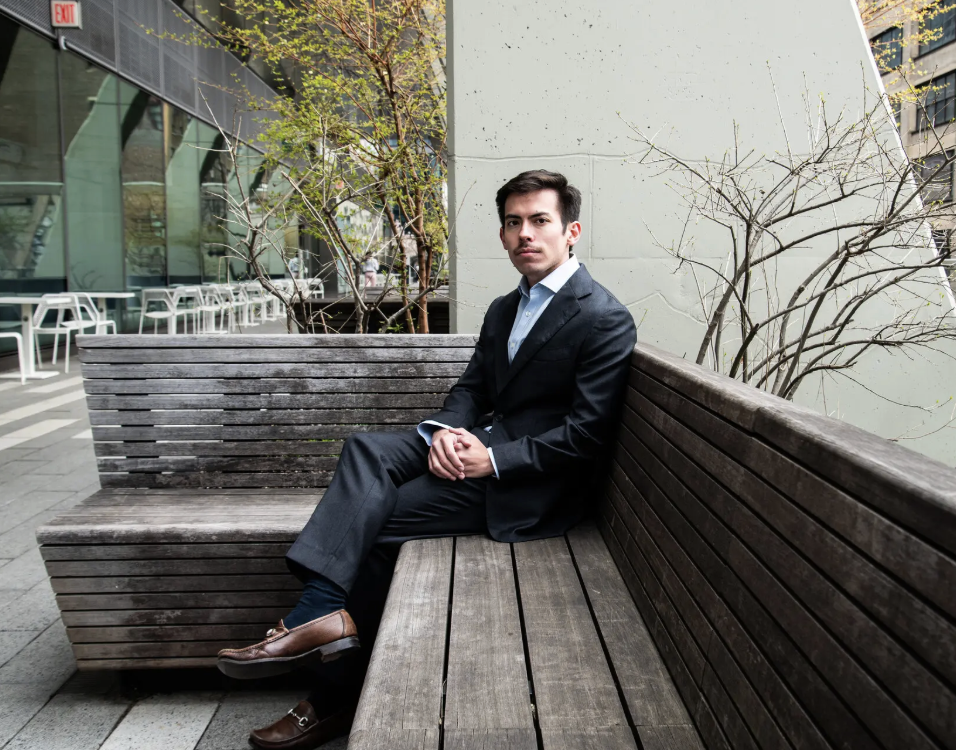
I recently listened to a podcast interview with Thomas Sipp, a young Japanese-American lawyer who left a prestigious position at the law firm Skadden Arps after it negotiated a deal with the Trump administration. His story, which you can listen to here, is a profile in courage.
What motivates a young man to jettison his position at one of the nation’s top law firms, to which he had aspired for many years? In doing so, he knew he was throwing away a promising career, facing the potential opprobrium of his colleagues and friends, and even risking retribution from the administration. Yet, he acted, knowing that he could not be sure where this fateful decision would take him.
We are living in a time of intense fear; it is how authoritarian regimes attempt to control us. If we are afraid—of being doxed, or losing our funding, or being arrested, or losing favorable treatment, or losing a job—we are paralyzed. We will keep our heads down and hope not to become the next victim of the regime’s retributive actions. We will acquiesce, likely relying on the rationale that the cost of compliance is not really so high, that if we protect ourselves today we can live on to fight another day.
Psychologists have long recognized this tendency, which seems to be hard-wired into our psyches. We prioritize minimizing short-term costs over potential long-term losses; the former feel very real and immediate, the latter feel remote and abstract.
Facing our fears in these trying times requires us to recalibrate, to recognize that it is wiser and more prudent to consider the long-term consequences of our decisions and to set aside the short-term repercussions. Put another way: we need to be more afraid of what it would mean to live long-term under an authoritarian regime that is unchecked than of what that regime might do to us in the near term. If we get our “fear priorities” straight, we can muster the courage to make what appear to be the hard choices today for the sake of sparing ourselves even more severe consequences in the future.
Sipp implicitly understood this. He was less afraid of what would happen to him as a consequence of resigning from his prestigious firm than he was of what would happen to all of us—to the rule of law, to our entire legal system--if Skadden and other prestigious law firms capitulated.
As Mark Twain noted years ago, “Courage is resistance to fear, mastery of fear—not absence of fear.” Like Sipp, we all need to master our fear and, in doing so, resist the administration’s attempt to frighten us into submission.
May 2026 be a year in which we are all inspired by Sipp’s example and find the courage to act now, lest we find ourselves in a position where we cannot act in the future.